It’s no secret that the construction industry is a demanding and challenging field. From tight deadlines to demanding physical work, construction workers are expected to perform at their best in a fast-paced, high-stress environment. Unfortunately, this constant pressure can take a toll on workers’ mental health, leaving them feeling overwhelmed, anxious, and even depressed.
Discussing mental health in the construction industry is often like opening a closet to reveal a skeleton inside. It’s a complex and uncomfortable topic, but it’s essential that we start talking about mental health openly and honestly in the construction industry to create a safe and supportive work environment for everyone.
In this blog, we cover the following:
Are construction workers at a higher risk for developing mental health issues?
Concerns around mental health in the construction industry are growing because it ranks second highest in suicide rates among major industries.
Farmers have the highest suicide rates at 85 suicides per 100,000 people, with the construction industry reporting 53.2 suicides per 100,000 people. The reasons for these high rates are complex and multifaceted, but that shouldn’t dismiss the urgent need to target mental health support in these industries.
The Center for Workplace Mental Health
The Center for Workplace Mental Health is an organization whose council strives to improve mental health among employers by providing additional research. The American Psychiatric Association Foundation appoints this council and includes unique perspectives and experiences by selecting employers, psychiatrists, and related purchasing stakeholders.
In 2021, they conducted an online Pulse Survey to which 1,145 people responded. Of course, we already know; it is a male-dominated profession, and workers put in long hours and experience high-stress levels, but it was alarming also to read why these individuals feel workers don’t seek care.
Top 4 reported reasons workers might not seek care when needing help with mental health or substance abuse:
-78% experience shame and stigma
-77% fear of judgment by peers
-55% fear negative job-related consequences
-46% don’t know how to access care
We acknowledge that these reports are concerning and warrant attention. As a responsible and caring industry, we must prioritize our workers’ mental well-being.
Key Findings from the Workplace Mental Health Pulse Survey:
Leadership engagement: 77% of Presidents, CEOs, and Owners recognized as a priority addressing mental health at work by promoting awareness, helping to reduce stigma, and encouraging people to get help when needed.
Raising mental health awareness: 94% of all survey respondents recognize the importance of sharing mental health resources with workers to raise mental health awareness, reduce stigma, and encourage people to get help when needed.
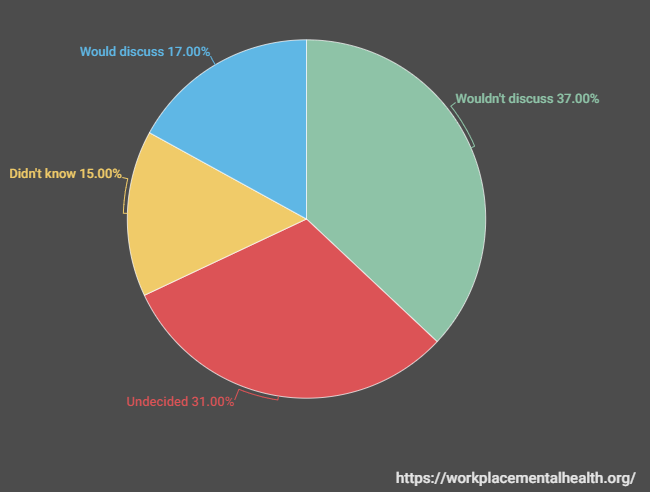
Creating a mentally healthy, organized culture: 37% wouldn’t openly discuss mental health with supervisors. In addition, 31% were undecided, and 15% didn’t know, leaving respondents who would discuss at 17%.
Enhancing access to services and supports: Survey respondents largely agreed (71%) that their organizations recognize the benefits of an EAP (Employee Assistance Program) as a service to offer workers.
How to improve leadership engagement in your company
As a leader, you hold the power to alleviate stress and instill order in your business. Having effective strategies and systems in place will help your business succeed.
Isaac Barlow, CFO of Competitive Excavation, has defined construction as “organized chaos”.
Naturally, chaos can make employees and employers feel confused, stressed, and disorganized. One way he improved leadership engagement was by building trust through empowered employees.
»Pro Tip
Is your business looking for construction management software, and you don’t know where to start?
🔗 Here are 5 things to look for when choosing your companies systems🔗
How you can raise mental health awareness in the construction industry
Numerous companies actively contribute to the cause by offering insights on supporting mental health. Spreading awareness can involve utilizing various channels, including social media, email communications, posters, and newsletters.
Sharing content on these platforms promotes mental health awareness and fosters a supportive work environment. In addition, when employees see their company advocating for mental health online, it opens the door for communication.
Quick access to support and services
Crisis resources
National suicide prevention lifeline:
Call 1-800-273-8255
Crisis text line:
Text HOME to 741741 to connect with a Crisis Counselor
In conclusion
A culture of toughness and stoicism in the construction industry often discourages workers from seeking help or discussing their mental health struggles. Unfortunately, this can lead to workers suffering in silence and not receiving the support they need.
By promoting mental health awareness and reducing the stigma around mental health in the construction industry, workers are more likely to seek help and receive the support they need to maintain their mental health and well-being. Addressing mental health in the construction industry will improve job satisfaction, reduce absenteeism, and increase productivity.